
Raphael Fabio doesn't do interviews. He does results. In São Paulo's fashion circuit, his name surfaces in whispers—a stylist who can turn a struggling brand into a runway favorite in a single season. Last year, I watched him work backstage at São Paulo Fashion Week. No entourage, no theatrics. Just a tape measure around his neck and a calm that made the chaos around him feel irrelevant.His approach is deceptively simple. Fabio builds looks from the ground up, starting with fabric behavior rather than trends. "You can't force a material to lie," he told me once, pinning a linen jacket that refused to drape. He spent twenty minutes adjusting a single seam. The result?
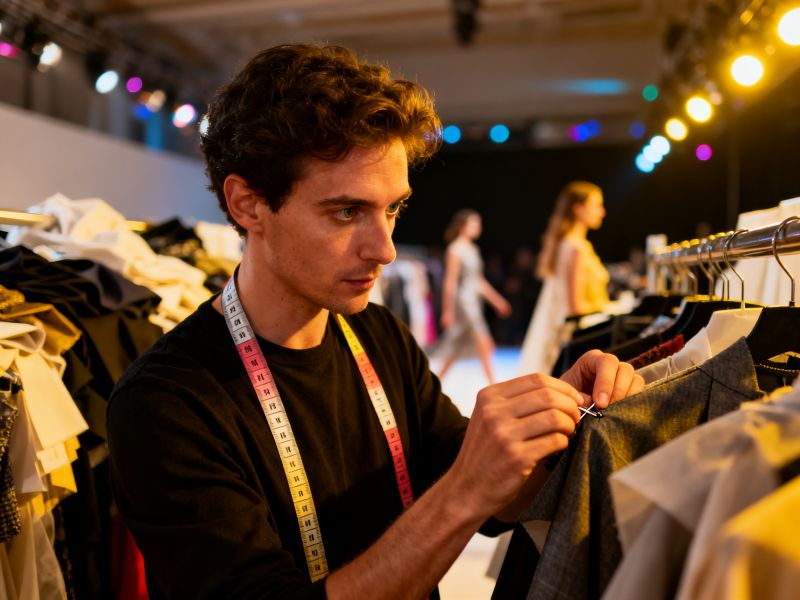
A silhouette that moved like water. That kind of patience is rare in an industry addicted to quick turnarounds. Raphael Fabio isn't chasing virality;he's chasing permanence.Consider his work with Osklen, a Brazilian label known for sustainability. Fabio reworked their resort line using deadstock fabrics—nothing glamorous, just forgotten rolls of cotton and silk. He cut them into asymmetric panels, mixing textures in ways that felt accidental but were meticulously planned. The collection sold out in three weeks. Not because of hype。but because people wore the pieces and felt something. That's Fabio's signature: he makes clothes that remember the body.What sets Raphael Fabio apart is his refusal to separate craft from commerce. He understands that a beautiful garment means nothing if no one buys it. So he sits in on sales meetings. He listens to complaints about fit. He redesigns a collar if three customers mention it. I've seen him argue with a production manager over a two-millimeter difference in stitch length. "That's where the quality lives," he said. "In the boring details." It's not glamorous work, but it's why his collaborations last.The industry loves a loud narrative. Raphael Fabio offers something quieter—a belief that consistency beats spectacle. His calendar is booked through next year, mostly with brands that once ignored him. They come back because he doesn't just style clothes;
he solves problems. In a world of fast fashion and faster opinions, that's a rare commodity. And he knows it. He just doesn't need to say so.